
MAL and FAO Conclude Innovative Vegetable Farming Systems Pilot Project
The Ministry of Agriculture and Livestock (MAL), in partnership with the Food and Agriculture Organization of the United Nations (FAO), yesterday successfully held an End of Project Workshop in Honiara to formally conclude the Promoting Innovative Farming Systems to Improve Vegetable Production project.
Funded by FAO, the two-year project valued at USD 40,000 dollars was led and implemented by MAL’s Research and Development Department.
The project promoted protected vegetable cultivation as a means to improve productivity, farmer incomes, and household nutrition in the Solomon Islands.
Speaking at the workshop, MAL Director of Research, Mr. Martin Jaiki, said the event provided an opportunity for stakeholders to reflect on and review the project’s achievements.
“Today we review the achievements, validate results, and agree on practical recommendations for sustaining and scaling up protected cultivation systems in the country. The project set out to demonstrate that protected cultivation is a viable food and nutrition security and income-generating option for and generating farm income, while simultaneously strengthening institutional capacity within the Ministry and among key stakeholders, including farmers, producers, and value-chain actors. I am pleased to report that these objectives have been successfully achieved,” Mr. Jaiki said.

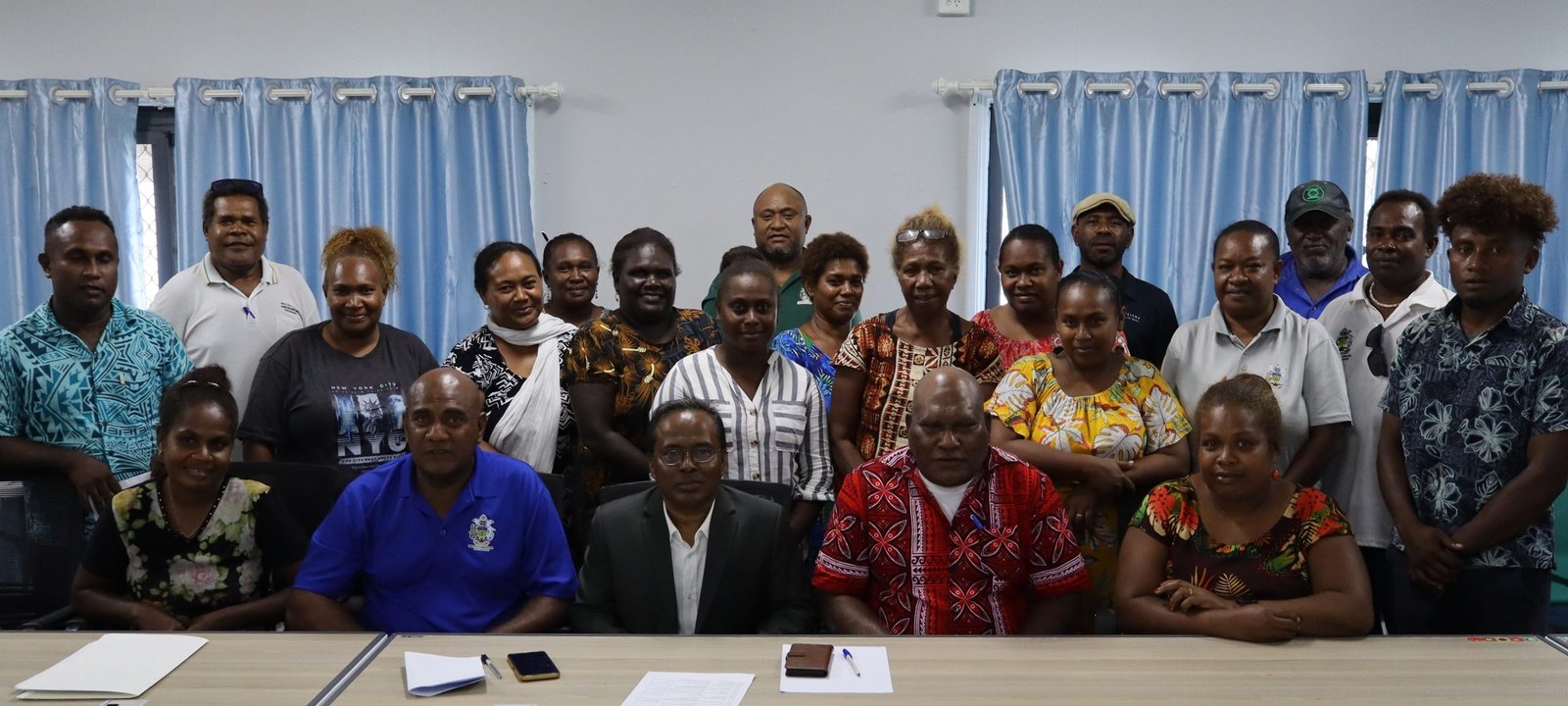
MAL Director Special Duties Simon Baete and MAL Director of Research, Mr. Martin Jaiki.
He added that MAL, together with FAO and stakeholders, remains committed to integrating protected cultivation into national agricultural development strategies.
FAO International Protected Cultivation Specialist Dr. Bidyuth Kumar Mahalder said the project generated strong engagement from farmers, government counterparts, and technical partners.
“In the Solomon Islands, consultations with the Ministry of Agriculture and Livestock highlighted opportunities to improve domestic vegetable production and value chains to improve food security and nutrition, reduce reliance on imports, and enhance farmer incomes.
FAO’s pilot protected cultivation systems have demonstrated promising results, even under challenging climatic conditions,” Dr. Mahalder said.
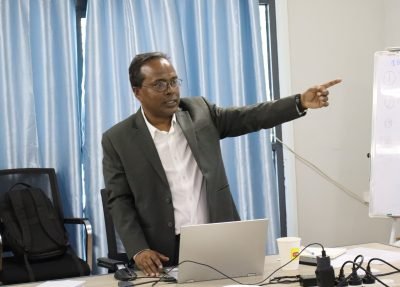
FAO International Protected Cultivation Specialist Dr. Bidyuth Kumar Mahalder.
He noted that the project emphasized farmer capacity building, strengthened farmer organizations, improved market access, post-harvest storage solutions, digital tools, and youth engagement.
FAO will continue working with governments, development partners, and the private sector to scale up successful approaches and promote sustainable, resilient, and profitable agricultural systems across the Pacific.
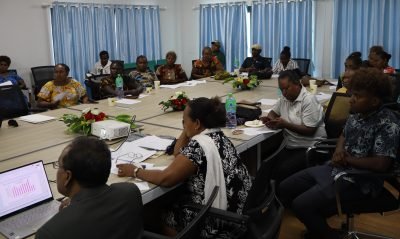
Workshop participants.
Looking ahead, Dr. Mahalder added that FAO can further support the Government through applied research and development, scaling up successful practices in collaboration with national universities, institutions, and other Pacific Island countries.
Key achievements of the project include:
- Construction of a demonstration greenhouse facility at the King George Research Centre
- Successful completion of a pilot research trial comparing yield, productivity, and quality between greenhouse (indoor) vegetable production and outdoor field systems, the results of which formed the basis of discussions on ways forward during the workshop Development of five practical manuals and fact sheets covering vegetable nursery and production management, including pest and disease control, other sustainable practices, and healthy food and nutrition
- Two farmer training workshops were successfully conducted to build skills and knowledge in vegetable production and protected cultivation techniques.
- Nutrition and market development activities, including awareness training, cooking demonstrations, and a domestic market situational analysis
- Development of a draft working paper to guide policy and promote the adoption of protected cultivation in the Solomon Islands, expected to be handed over to the Ministry in early 2026
The Research and Development Department of MAL said the project aligns with its mandate to advance agricultural innovation and productivity through evidence-based research.
The department’s responsibility is to conduct applied research to develop improved crop varieties and livestock breeds suited to local conditions and market demands, while promoting practices that improve soil fertility, conserve water, and reduce environmental impacts.
It also collaborates with national and international research institutions to access and adapt modern agricultural technologies.
Ends//
– MAL Media Release